


.svg)
Learn
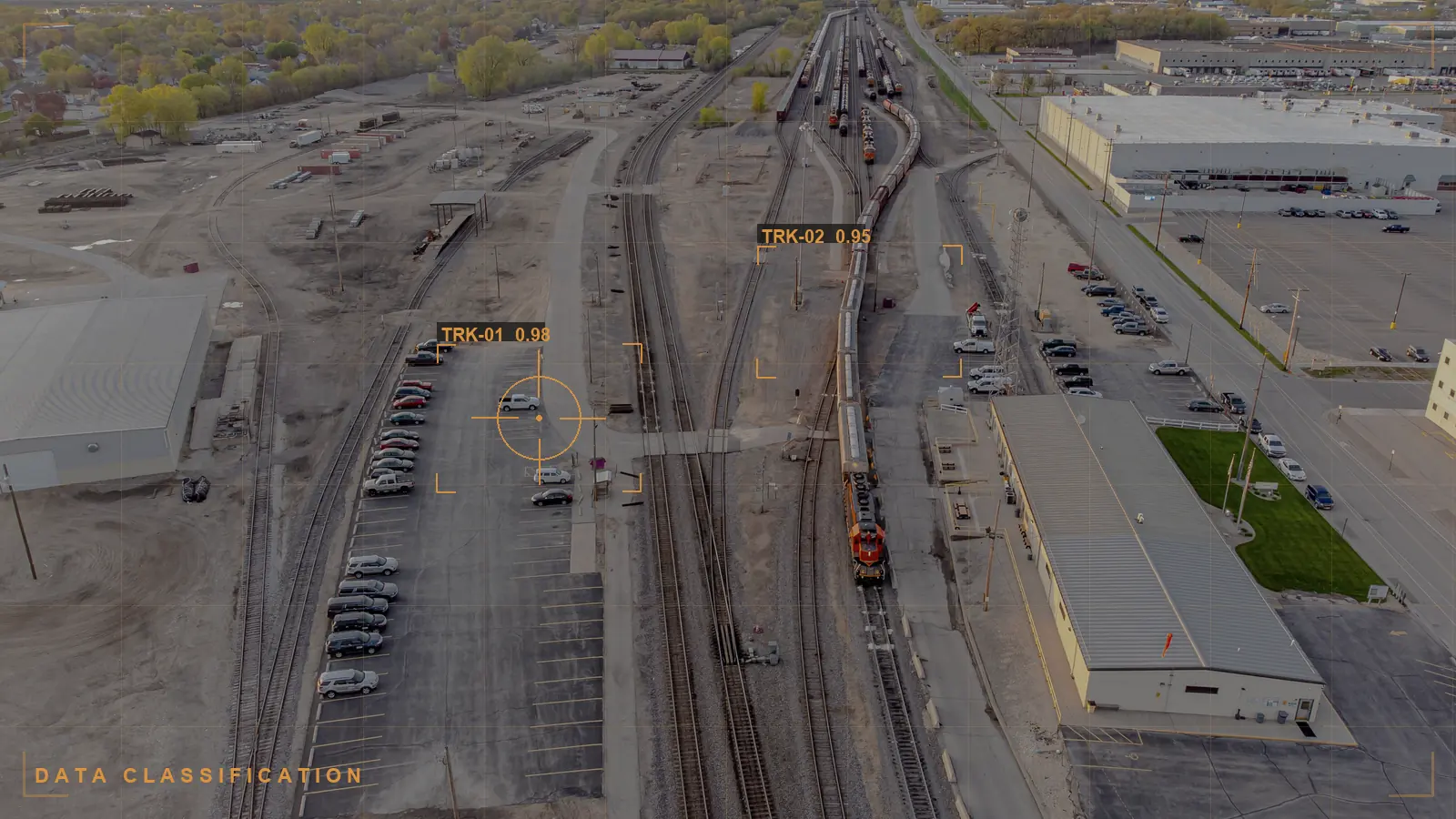
Automated data classification is the use of AI to detect sensitive content and personally identifiable information in defense data and propose classification and control markings - such as CUI or SECRET - for authorized human review.
Automated data classification is the use of AI to detect sensitive content and personally identifiable information in defense data and propose classification and control markings - such as CUI or SECRET - for authorized human review.
Classification and marking are policy-governed and human-authoritative. A person with original or derivative classification authority decides what a document is and how it is marked. AI does not change that. What AI changes is the cost and consistency of the work: it reads data at the point of ingest, flags PII and sensitive indicators, and proposes markings against policy so a reviewer confirms rather than starts from a blank page. The result is faster, more consistent, and - because every proposal is logged - auditable.
Mission data arrives faster than people can hand-mark it. Unmarked or inconsistently marked data increases decision risk: it either over-restricts, so analysts cannot reach information they are cleared for, or under-restricts, so sensitive content moves where it should not. The DoD Data Strategy names making data secure one of its core goals, treating data as a strategic asset that must be governed throughout its life. AI decision-support makes marking keep pace with ingest while keeping a human in authority over every classification decision.
Torch.AI positions AI as decision-support. NEXUS reads data at the point of ingest, builds a semantic representation of what each item contains, and enriches it - detecting PII, matching sensitive indicators, and proposing candidate markings consistent with DoD information security marking policy (DoD Manual 5200.01 Volume 2 for classified information; CUI marking follows DoDM 5200.48). A reviewer with classification authority accepts, edits, or rejects each proposal. The proposal, the reviewer action, and the governing rule are all recorded, so the marking carries its own audit trail.
Data-centric security attaches protection to the data itself - its markings and handling rules - rather than relying only on the boundary of a network. Build-low-enrich-up means ingesting and enriching data at a lower level first, then moving validated, correctly marked data upward. Classification markings proposed at ingest travel with the data, so each environment can apply the right handling. Movement between security domains is not an AI function: it requires an accredited cross domain solution, as set out in DoD Instruction 8540.01.
ORCUS is a government-owned data-availability layer. It makes enriched, marked data available to mission systems under government control, complementing existing systems of record rather than replacing them. Markings and enrichment produced by NEXUS stay attached to the data as ORCUS makes it available, so secure sharing respects the classification each item carries.
| Function | AI decision-support (NEXUS) | Human authority |
|---|---|---|
| PII detection | Detects and flags PII and sensitive indicators at ingest | Confirms findings and handling |
| Classification proposal | Proposes candidate markings (for example CUI, SECRET) against policy | Classification authority decides and marks |
| Marking consistency | Applies marking rules uniformly across large volumes | Reviews and corrects as needed |
| Audit trail | Logs every proposal, rule, and reviewer action | Owns the record of decision |
| Cross-domain movement | Does not move data between domains | Uses an accredited cross domain solution |
Mission data arrives faster than people can hand-mark it. Unmarked or inconsistently marked data increases decision risk by either over-restricting or under-restricting access. AI decision-support makes marking keep pace with ingest while keeping a human in authority over every classification decision.
NEXUS reads data at ingest, builds a semantic representation, and proposes candidate markings consistent with DoD marking policy. A reviewer with classification authority accepts, edits, or rejects each proposal, and every proposal, action, and governing rule is recorded as an audit trail.
Data-centric security attaches protection to the data itself rather than relying only on the network boundary. Build-low-enrich-up means ingesting and enriching data at a lower level first, then moving validated, correctly marked data upward. Movement between security domains requires an accredited cross domain solution.
ORCUS is a government-owned data-availability layer that makes enriched, marked data available to mission systems under government control, complementing existing systems of record. Markings and enrichment produced by NEXUS stay attached to the data as ORCUS makes it available.


SHARE