Learn
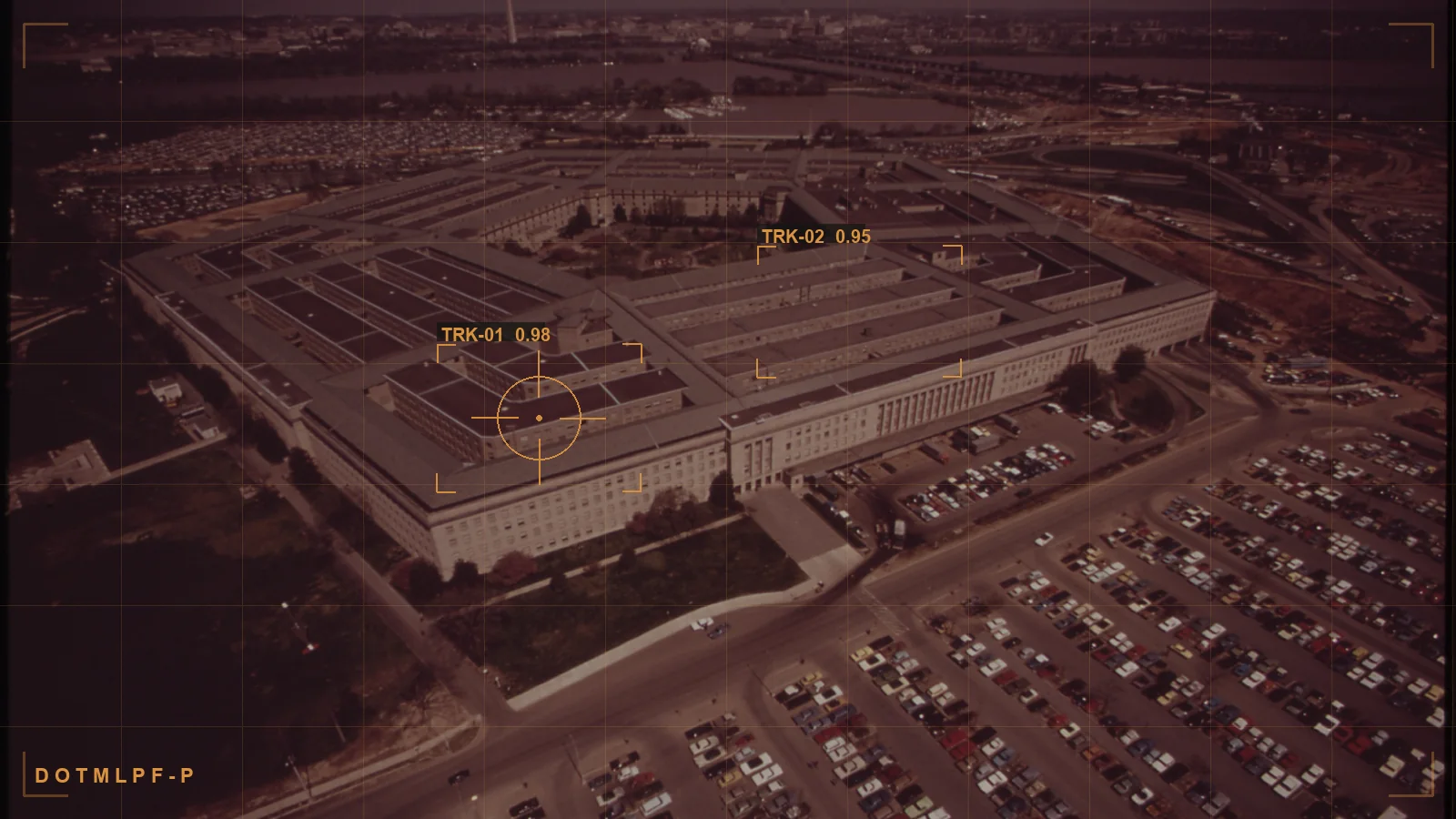
DOTMLPF-P is a U.S. Department of Defense analytical framework of eight categories (Doctrine, Organization, Training, Materiel, Leadership and Education, Personnel, Facilities, and Policy) used in the U.S. Department of Defense requirements process (the Joint Capabilities Integration and Development System, JCIDS, which the Department directed be replaced by the Joint Force Requirements Process, JFRP, in 2026) to analyze a capability gap and determine whether it is best closed by a materiel solution or by non-materiel changes.
Last updated: October 20, 2026
Why it matters to your mission. When a force cannot do something it needs to do, the reflex is to field a new system, which is the slowest and most expensive way to close a gap. DOTMLPF-P is the discipline that tests the shortfall against all eight categories first, so a change in doctrine, training, or policy can close it when no new materiel is required. The outcome is faster, defensible requirements decisions grounded in evidence instead of a default to procurement.
DOTMLPF-P is a U.S. Department of Defense analytical framework of eight categories, Doctrine, Organization, Training, Materiel, Leadership and Education, Personnel, Facilities, and Policy, used in the U.S. Department of Defense requirements process (the Joint Capabilities Integration and Development System, JCIDS, which the Department directed be replaced by the Joint Force Requirements Process, JFRP, in 2026) to analyze a capability gap and determine whether it is best closed by a materiel solution or by non-materiel changes. It is pronounced by its letters and was formerly written DOTMLPF before Policy was added.
The framework exists to prevent a predictable failure: treating every capability gap as a reason to acquire new equipment. By checking a gap against all eight categories, analysts surface the non-materiel options, a change to doctrine, a training adjustment, a policy fix, that often resolve the shortfall without a new program of record, or that must accompany a materiel solution for it to work in the field.
Key takeaways
Each category is a lens on the same gap. A rigorous assessment walks all eight before recommending a solution.
| Element | What it covers | Example of a non-materiel fix |
|---|---|---|
| D, Doctrine | How the force fights; tactics, techniques, and procedures | Revise a TTP so an existing capability is employed differently |
| O, Organization | How the force is structured and manned to operate | Re-task or restructure a unit to own a mission |
| T, Training | How individuals and units are prepared | Add a training task or qualification |
| M, Materiel | Equipment and systems needed to operate | (The materiel lane: a new or modified system) |
| L, Leadership and Education | How leaders are developed to execute | Update professional military education |
| P, Personnel | The people, skills, and specialties available | Create or re-weight a military occupational specialty |
| F, Facilities | Real property and installations required | Modify or allocate existing infrastructure |
| P, Policy | Statutory, regulatory, and policy conditions | Change a policy or authority that blocks the capability |
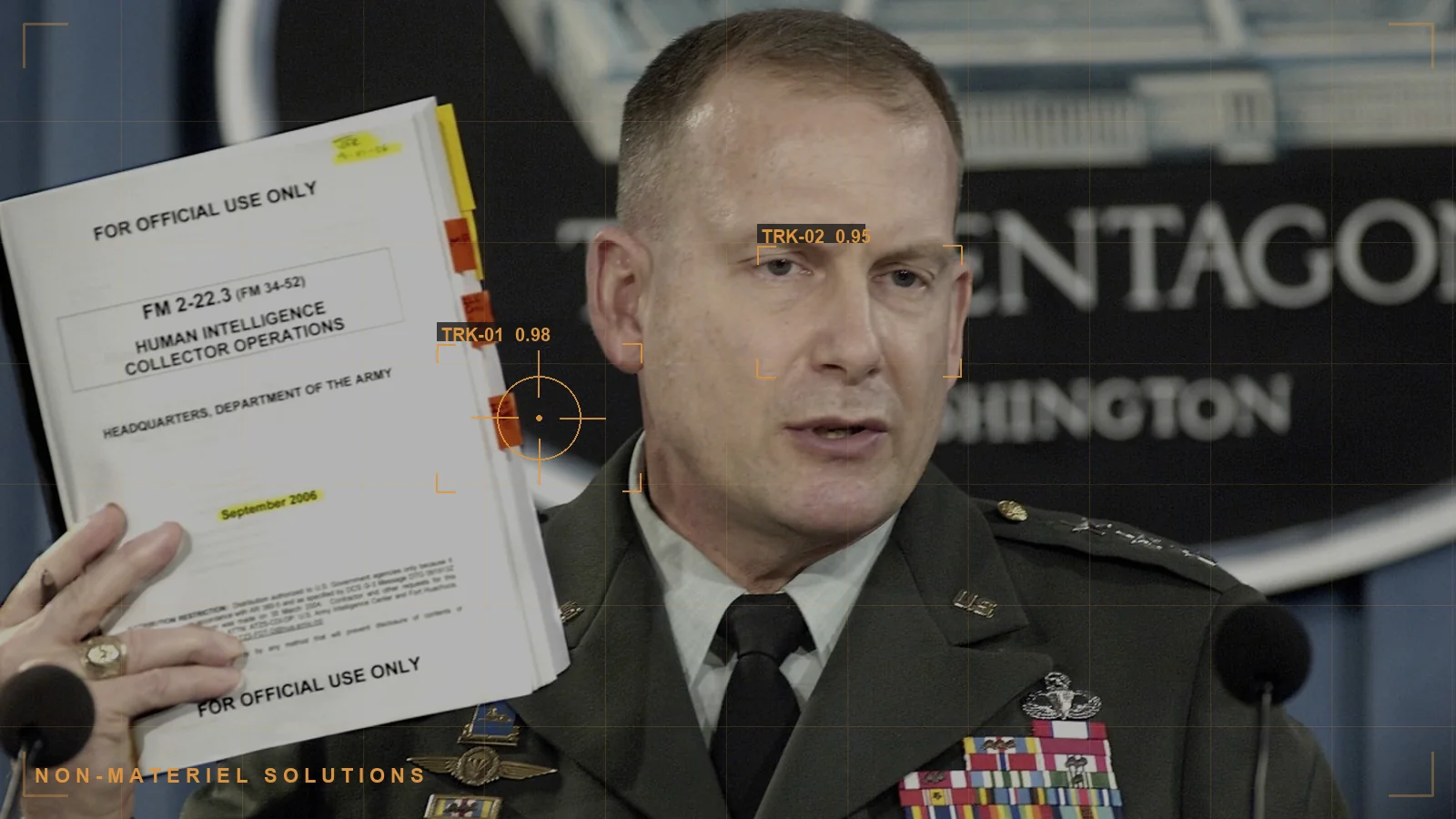
Only one of the eight, Materiel, implies buying something. The other seven are where cheaper, faster solutions usually live, which is the whole reason the framework is structured this way.
A capability gap is the difference between what a force is required to do and what it can actually do today. Left undisciplined, gap analysis tends to jump straight to a materiel answer, because new equipment is tangible and fundable. DOTMLPF-P interrupts that reflex and makes the analysis defensible.
In the requirements process, a Capabilities-Based Assessment identifies gaps and then uses DOTMLPF-P to reason about solutions. The output has to show that the recommended approach was chosen against all eight categories, not assumed. That is what lets the oversight body trust that a materiel recommendation is genuinely necessary rather than a default. For the broader analytic process this sits inside, see AI for capability gap and requirements analysis.
The process itself is changing, but the framework is not. In August 2025 the Department directed that JCIDS be disestablished and replaced by the Joint Force Requirements Process (JFRP); its procedures are documented in the Manual for the Joint Requirements Oversight Council and the Joint Force Requirements Process, CJCSM 5123.01, reissued 15 January 2026. DOTMLPF-P and the capabilities-based assessment carry forward under the new name, and the requirement to address all eight DOTMLPF-P elements together remains a standing principle. DOTMLPF-P is the structured step where a materiel-versus-non-materiel recommendation is built and justified.
They are the same framework at two points in time. The original construct was DOTMLPF, seven categories without Policy. Policy was added, giving DOTMLPF-P, once it became clear that many capability shortfalls are not equipment, training, or doctrine problems at all but legal, regulatory, or policy barriers that block a force from using a capability it already has. You will still see the older DOTMLPF spelling in legacy documents; current JCIDS practice uses DOTMLPF-P.
The framework is often named alongside the processes it lives inside. Separating them clarifies what DOTMLPF-P actually is.
| Term | What it is | Relationship to DOTMLPF-P |
|---|---|---|
| JCIDS / JFRP | The DoD process for identifying and validating capability requirements: the Joint Capabilities Integration and Development System (JCIDS), being replaced by the Joint Force Requirements Process (JFRP) in 2026 | The parent process. DOTMLPF-P is the analytical framework used inside it, and it carries forward under the JFRP |
| Capabilities-Based Assessment (CBA) | The study that identifies capability gaps and assesses solution options | DOTMLPF-P is the lens the CBA applies to structure its solution analysis |
| Capability gap | The difference between a required capability and the current ability to deliver it | The problem DOTMLPF-P is used to solve |
| Non-materiel solution | A fix that changes doctrine, organization, training, leadership, personnel, facilities, or policy rather than fielding new equipment | Seven of the eight DOTMLPF-P categories are non-materiel |
A DOTMLPF-P analysis is only as defensible as the discipline behind it. A rigorous one should:
DOTMLPF-P is a reasoning framework, and the hard part is evidence: assembling, across fragmented data, the picture of what the force can do today, where the shortfall is, and which of the eight levers could close it. That assembly is where AI and data integration help, not by making the judgment, but by giving the analysts a faster, better-sourced basis for it.
Torch.AI's approach keeps the analyst in command and the evidence traceable:
Consider a unit that cannot share targeting data with a coalition partner. The reflex is to field a new system. With the evidence assembled across categories, a different picture emerges: the capability already exists, but a releasability authority blocks its use (Policy) and operators were never trained on the approved procedure (Training). The gap closes with a policy change and a training task, with no new program of record. Reaching that conclusion meant reading across policy directives, training records, and doctrine that no analyst had time to assemble by hand, which is exactly the assembly the software accelerates while the analyst keeps the call.
The result is a capability-gap analysis that reaches a DOTMLPF-P recommendation faster and shows its work. For the end-to-end analytic process, see AI for capability gap and requirements analysis; related reasoning is covered in AI for course of action (COA) generation and AI for military readiness assessment. To see how this is deployed, explore the Torch.AI software, or contact our team.
Doctrine, Organization, Training, Materiel, Leadership and Education, Personnel, Facilities, and Policy. The final P, Policy, was added to the original DOTMLPF.
No. Only one of the eight categories, Materiel, involves acquisition. The framework exists specifically to surface the seven non-materiel ways a capability gap can be closed.
In the DoD requirements process (JCIDS, now transitioning to the Joint Force Requirements Process), primarily during a Capabilities-Based Assessment, to justify why a proposed solution to a capability gap is the right one.
Same framework; DOTMLPF-P adds Policy to the original seven categories to capture legal and regulatory barriers.


Describe the problem.
Define the constraints. We will structure the session.
No demo.
No slide deck.
Real work.
Describe the problem.
Define the constraints. We will structure the session.
No demo.
No slide deck.
Real work.